0 For many cancer patients in central India, the first challenge is reaching treatment.
Raipur, 16 September. A diagnosis can mean travelling hundreds of kilometres to a metropolitan hospital, arranging accommodation, taking time away from work and returning repeatedly for consultations, chemotherapy, surgery and follow-up. For families from smaller towns and rural districts, this can place a significant burden on both finances and continuity of care.
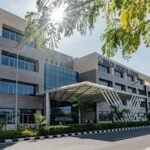
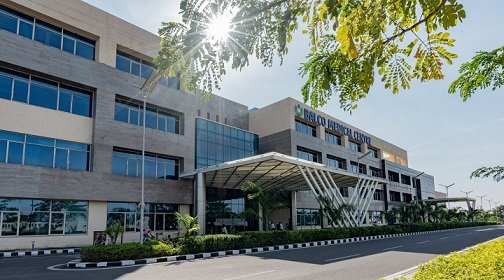
Established in Naya Raipur in 2018, BALCO Medical Centre (BMC) was set up to address this gap in access to specialised cancer care. Eight years on, its growing patient base and expanding clinical capabilities reflect a changing healthcare landscape in Central India. BMC has treated more than 75,000 patients and recorded nearly 5 lakh outpatient visits, alongside more than 96,000 chemotherapy sessions and 13,500 surgeries.
A 28-year-old patient from Kondagaon, around 250 kilometres from Naya Raipur, was diagnosed with a rare and aggressive blood cancer. He underwent multiple cycles of chemotherapy followed by an autologous stem-cell transplant at BMC, completing his treatment without having to move between institutions, near his home.
Another patient, a 48-year-old man with borderline resectable pancreatic cancer, underwent treatment at BMC. The complex procedure required specialised surgical expertise and multidisciplinary coordination. He returned two years later for follow-up, in good health and back to his routine.
These patients underline a fundamental reality of cancer care: specialised treatment matters only when patients can access and complete it. Repeated travel, consultations and investigations across institutions can disrupt treatment and increase the burden on families. BMC’s model brings multiple stages of care together under one system.
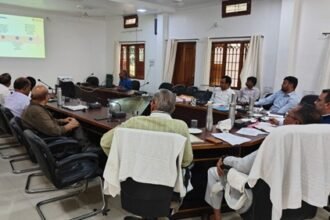
Medical, surgical and radiation oncologists work alongside haematologists, radiologists, pathologists, transplant specialists, psychologists, physiotherapists, nutritionists and palliative-care teams. Patients are reviewed through a Multidisciplinary Tumour Board, enabling specialists to jointly determine treatment plans.
BMC has also expanded access to specialised therapies, including medical, surgical and radiation oncology, nuclear medicine, advanced diagnostics and haematology. With more than 180 bone marrow transplants, its transplant programme is among the larger programmes in Central India.
Support extends beyond clinical care. Sukh Sarai at BMC provides subsidised accommodation for patients and caregivers during treatment. Transport support helps patients from remote areas reach the centre, while patients undergoing chemotherapy receive high-protein diets. The BMC charitable fund provides financial assistance to eligible patients for treatment and diagnostics, including those not covered by government schemes, bringing holistic solutions to cancer care under one roof.
Speaking on the importance of early detection, Dr. Yashwant Kashyap (Senior Medical Oncologist) said, “Early detection remains a critical aspect in cancer treatment because the stage at diagnosis can significantly influence treatment options and outcomes. Screening and awareness therefore extend the centre’s role from treating cancer to identifying it earlier. The centre has conducted more than 500 cancer screening and awareness programmes across rural and urban communities in Chhattisgarh and neighbouring areas, focusing on breast, cervical, colorectal and head-and-neck cancers.”
BMC’s catchment has also expanded beyond Chhattisgarh. Patients from Odisha, Madhya Pradesh, Jharkhand, Maharashtra and Andhra Pradesh now access its services, strengthening Naya Raipur’s role as a regional centre for specialised cancer care.
By bringing together tertiary oncology, transplantation, multidisciplinary care, financial assistance, accommodation, transport and community screening, BMC addresses the barriers that can determine whether a patient reaches and completes treatment by building a regional cancer-care system in which distance is less likely to determine the outcome of the patient’s journey.