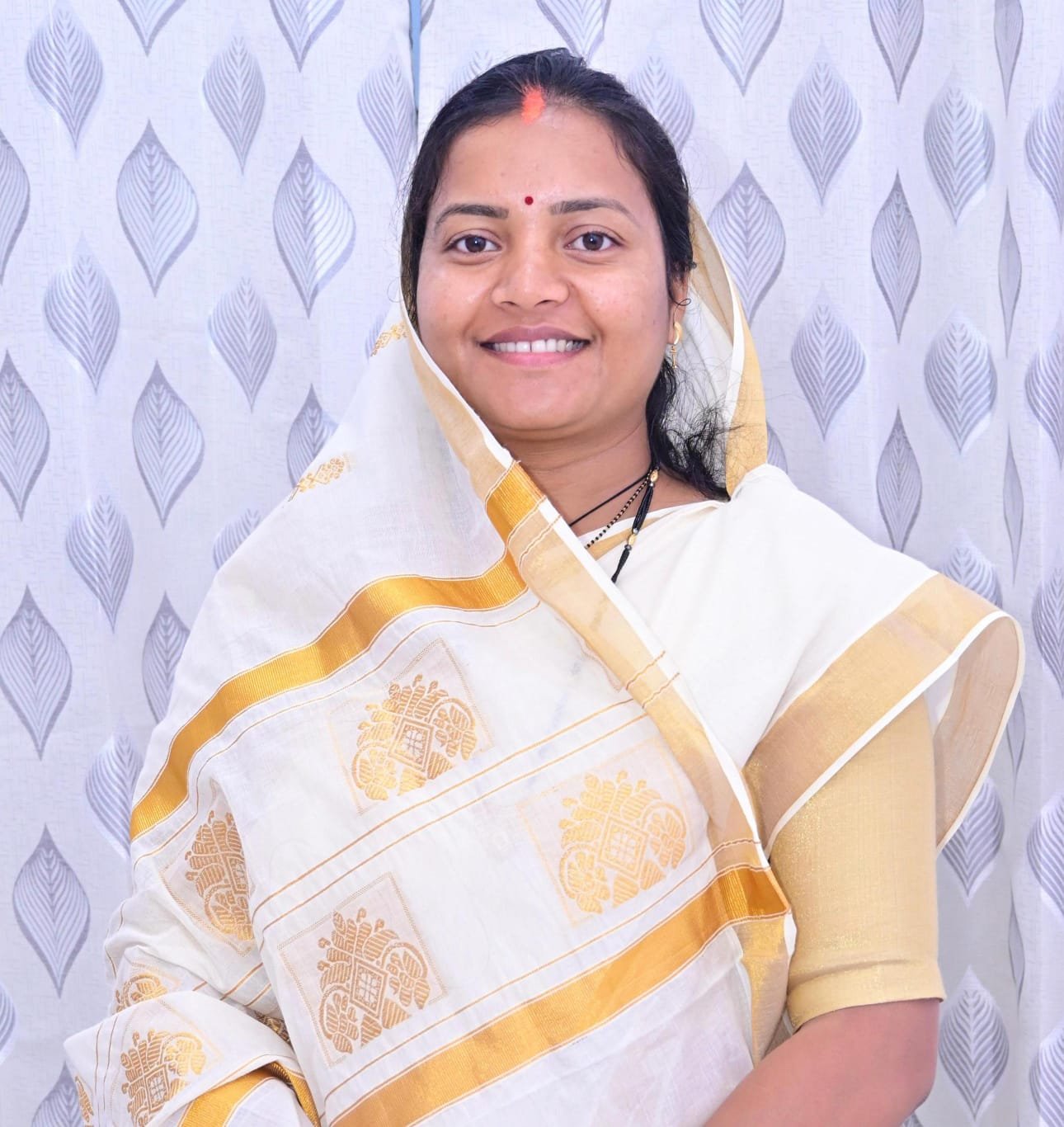
Smt. Laxmi Rajwade Minister
Women and Child Development, Government of Chhattisgarh
Raipur, September 24, 2026/ The true measure of development lies not merely in new infrastructure or better facilities, but in the confidence of a woman to make decisions about her future, the support available to a mother caring for her child, and the opportunity for every child to grow with adequate nutrition, education and protection. The ‘Seva Sankalp Abhiyan’ gives us an opportunity to carry this vision from policy to people through active community participation.
Inspired by Prime Minister Shri Narendra Modi’s spirit of public service, the Chhattisgarh Government, under the leadership of Chief Minister Shri Vishnu Deo Sai, is working to bring meaningful and lasting improvements to the lives of women and children. Our endeavour is to ensure that awareness about government schemes and their benefits reaches every eligible family, particularly those who need support the most.
Women’s Confidence Strengthens Families and Communities
Women have always played a vital role in the social and economic life of Chhattisgarh. Today, their contribution is expanding beyond the household, with women making their presence felt in entrepreneurship and social leadership through their determination and talent.
Regular financial assistance provided under the Mahtari Vandan Yojana has enabled many women to make decisions with greater confidence, whether regarding their own needs or household expenses. For some, the assistance has become a means of building savings, while for others it has provided a foundation for small livelihood initiatives.
Self-Help Groups are also creating avenues for women to engage in savings, skill development and entrepreneurship. Our focus is not only on providing financial support but also on creating opportunities through which women can build greater economic independence. When a woman becomes confident in making decisions, the benefits extend across the family and into the wider community.
Anganwadi Centres: A Shared Responsibility
A healthy and capable society is built on the foundation laid during childhood. Anganwadi centres serve as an important link between children, nutrition, healthcare and early education, while also providing mothers with essential information on childcare and nutrition.
However, the effectiveness of Anganwadi centres depends not only on the efforts of Anganwadi workers but also on the participation of families and communities. The message of ‘Hamari Anganwadi, Hamari Zimmedari’ reflects precisely this shared responsibility.
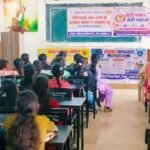
The ‘Aangan Milan’ programme, being organised from September 25 to October 7, will provide an opportunity for parents and community members to engage more closely with Anganwadi activities. They will be able to understand arrangements related to children’s food and hygiene and participate in discussions on nutrition.
Simple conversations within families can make a significant difference: What should children eat at home? How can greater variety be introduced into their diet? How can healthy hygiene habits be developed? Such discussions can make nutritional interventions more effective and sustainable.
Nutrition, however, goes beyond merely providing food. Children need adequate and diverse diets appropriate to their age, regular attention to their growth and active care from their families. The message of ‘Bachchon Ki Thaali, Hum Sabki Zimmedari’ calls upon every household and every community to share responsibility for ensuring that children receive the nutrition they need to grow and thrive.
Protecting Childhood Requires Collective Vigilance
Every child deserves to grow up in an environment free from fear, violence and exploitation. Challenges such as child marriage, child labour, violence and neglect cannot be addressed through legislation alone. Families, schools, panchayats, Anganwadi centres and communities must remain alert and work together.
Listening to children, making them aware of their rights and ensuring timely support whenever they need help are essential steps towards building a safe childhood.
The Seva Sankalp Abhiyan reminds us that the essence of public service is reaching people, understanding their needs and responding with sensitivity. When a mother receives the right information about nutrition, a woman gets an opportunity to strengthen her livelihood, or a child is able to grow in a safe environment, the impact of governance becomes tangible in everyday life.
The dialogue and participation initiated through ‘Aangan Milan’ must therefore continue beyond the campaign period. When families, communities and the government work together, the resolve for an empowered maternal force and a well-nourished, safe childhood can become a strong foundation for a developed Chhattisgarh.