Shri Ram Temple in Keralapenda Reopens After 21 Years; Religious Activity Resumes
Influencers Interact with Surrendered Former Naxals at Sukma Rehabilitation Centre, Learn About Security and Development Initiatives
43 Influencers Travel for Over 13 Hours from Sukma to Puvarti via Jagargunda and Keralapenda
Group Visits Area Associated with 2010 Tadmetla Attack and Interacts with Villagers in Former Maoist-Affected Areas
Raipur, September 30, 2026/
A changing picture of Bastar unfolded before 43 influencers from Delhi as they travelled for more than 13 hours from Sukma to Puvarti via Jagargunda and Keralapenda, witnessing firsthand the transformation in areas once widely associated with Naxal violence and fear.
On the second day of their Bastar visit, the influencers interacted with surrendered former Naxals at the Sukma Rehabilitation Centre, learned about security and development initiatives, travelled along the route locally known as the ‘Khooni Sadak’, visited the area associated with the martyrdom of 76 security personnel in the 2010 Tadmetla attack, interacted with villagers in Keralapenda, visited the Shri Ram Temple that reopened after remaining closed for nearly 21 years, and met family members of Naxal commander Hidma in Puvarti.
The journey gave them a close look at Bastar’s transition from years of conflict to peace, development, and the restoration of normal life.
The influencers began their day at the Sukma Rehabilitation Centre, where they interacted with former Naxals who had surrendered, renounced violence and returned to the mainstream.
They learned about their earlier lives, the circumstances following their surrender and their experiences of returning to normal life. The interaction gave the visitors an opportunity to understand the human dimension of rehabilitation and the challenges involved in rebuilding life after leaving the path of violence.
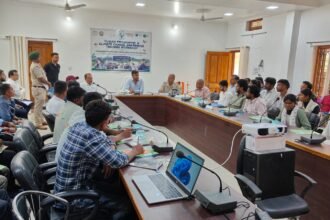
The group later met the Superintendent of Police, Sukma, and learned about efforts to strengthen security, peace, development and administrative outreach in remote areas. They were briefed on how civic amenities and development initiatives are being extended alongside security measures to previously difficult-to-access regions.
The influencers also visited the Science Park in Sukma, where they saw initiatives aimed at expanding opportunities for education, science and modern learning facilities.
After proceeding through Tongpal, the group travelled towards Jagargunda along the route locally known as the ‘Khooni Sadak’, which remained associated with Naxal violence and major security challenges for years.
At Jagargunda, the influencers were briefed about the area associated with the Tadmetla attack of April 6, 2010, in which 76 CRPF personnel were martyred. The visit helped the group understand the region’s difficult history and the security challenges it has faced over the years.
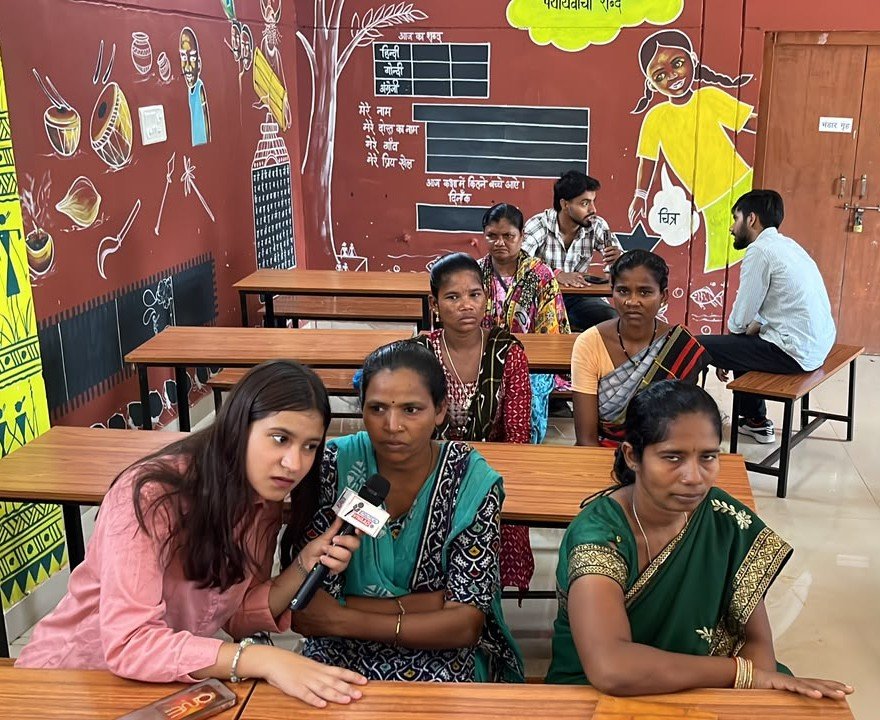
From Jagargunda, the influencers travelled to Keralapenda, where they interacted with villagers and learned about changes taking place in an area that had remained affected by Maoist influence for years.
A significant stop during the visit was the village’s Shri Ram Temple, which had remained closed for nearly 21 years.
Marble idols of Bhagwan Shri Ram, Mata Sita and Bhagwan Lakshman are installed in the temple. In 2003, during the period of Maoist influence, villagers were ordered to stop idol worship and keep the temple closed. Fear kept residents from even approaching it.
In April 2024, with security forces present and villagers’ cooperation, the temple premises were cleaned, and its doors reopened. Villagers and CRPF personnel jointly cleaned the premises, and regular idol worship of Bhagwan Shri Ram, Mata Sita and Bhagwan Lakshman resumed.
The ringing of temple bells and the resumption of idol worship after more than two decades have become a visible symbol of the return of normal social and religious life in the area.
Keralapenda was subsequently declared a Maoist-free village in 2025 following the surrender of 16 Maoists, including nine residents of the village.
The group later travelled through forests and remote areas to Puvarti, the ancestral village of Naxal commander Hidma.
On reaching the village at night, the influencers met Hidma’s elder brother, sister-in-law and nephew. They interacted with the family about local life, the present circumstances of the village and changes taking place in the region.
The interaction provided the visitors with an opportunity to understand the complex social realities of an area that has long been associated with Naxal violence and to hear directly from residents about their present-day lives.
The journey brought together different aspects of Bastar’s past and present—from surrendered former Naxals rebuilding their lives and security initiatives in Sukma to memories of the 2010 Tadmetla attack, interactions with villagers in Keralapenda, the reopening of the Shri Ram Temple, and a visit to Puvarti.
Rather than viewing Bastar only through tourist destinations or past reports of violence, the influencers travelled through remote areas. They interacted directly with people who have experienced the region’s changing circumstances.
By the time the group reached Dantewada around 11 pm, the 13-hour journey had given them a first-hand view of a Bastar where memories of conflict remain, while rehabilitation, improved connectivity, development initiatives, dialogue, and the gradual return of normal social life are creating a new picture of hope and change.